

Event Shuttles That Keep Every Guest on Time
A ballroom can be perfectly dressed, a conference agenda can be meticulously planned, and a wedding ceremony can begin on schedule, yet the guest experience may still unravel in the parking lot. Event shuttles give organizers control over one of the most visible parts of the day: how people arrive, move between locations, and leave. When transport is planned with the same care as catering or registration, guests feel looked after before they reach the door.
Why Event Transportation Deserves Early Planning
Transportation is often treated as a final logistics item. That approach works for a small gathering at one easily accessible venue, but it becomes risky when attendees are coming from multiple hotels, a remote venue, a convention center, or a location with limited parking. A delayed first wave can affect registration, opening remarks, meal service, and the mood of the room.
Event shuttles create a predictable movement plan. Instead of asking every guest to navigate traffic, find an entrance, and arrange their own ride, the organizer provides clear pickup points and scheduled departures. This is particularly valuable for corporate delegates, wedding parties, VIP guests, and international visitors who may not know the area well.
In Singapore, a well-timed shuttle plan can also reduce the pressure created by peak-hour traffic, venue access restrictions, and large crowds around major event locations. The objective is not simply to transport people. It is to protect the event timeline while giving every passenger a comfortable, professional welcome.
Start With the Guest Journey, Not the Vehicle
The right transportation plan begins with a simple question: what will the guest experience from the moment they leave their hotel, office, or home until they are safely on their way back? That journey determines the fleet, schedule, route, and level of service required.
For example, a company hosting overseas executives may need private airport pickups followed by an executive MPV or luxury van for site visits and a separate coach for the wider delegate group. A wedding may call for a sedan for the couple, luxury vans for family members, and a larger shuttle for guests traveling from a designated meeting point. One vehicle type rarely suits every group.
It also helps to separate VIP movement from general guest transportation. Senior executives, speakers, elderly family members, and clients with tightly managed schedules may need direct, private transfers. A shared shuttle can be ideal for most attendees, but it should not compromise privacy, comfort, or punctuality for people whose arrival time is especially critical.
Map the moments that matter
A practical event transport plan identifies the moments where timing has the greatest impact. These typically include airport arrivals, hotel departures, venue doors opening, ceremony or conference start times, meal breaks, and the final departure window. Build the schedule backward from the moments that cannot move.
Allow time for passengers to board, for vehicles to reach the correct drop-off point, and for guests to walk through security or registration. A 15-minute drive does not mean a 15-minute transfer. Loading luggage, finding late arrivals, and navigating a busy venue entrance all add time.
Choose a Fleet That Fits the Group
Capacity matters, but passenger experience matters too. Booking the largest vehicle available may appear efficient, yet it can be unnecessary for small groups or unsuitable for VIP transfers. Conversely, using too many small vehicles can make coordination difficult and increase the chance of missed connections.
A balanced fleet usually combines vehicles according to purpose. Luxury sedans suit individual executives and couples. Executive MPVs offer privacy and extra room for small groups with luggage. Luxury vans work well for families, speakers, or corporate teams traveling together. Coaches are a practical choice for larger delegations and structured shuttle loops.
The decision depends on the group size, luggage volume, route length, venue access, and passenger profile. A short hotel-to-venue run for 40 delegates may be straightforward by coach. A multi-stop itinerary with clients, presentation materials, and different meeting times may be better served by several chauffeur-driven vehicles.
Do not forget accessibility and comfort requirements. Guests may need easier boarding, additional space, or a quieter private environment. Addressing these needs early is far more considerate than trying to solve them on event day.
Build Routes Around Reality
The most direct route is not always the most reliable route. Roadworks, major events, school traffic, weather, and restricted access points can change travel times quickly. An experienced transport provider plans for these variables rather than assuming the map estimate will hold.
For larger events, use designated pickup locations that are easy to explain and easy for vehicles to access. Hotel lobbies, clearly marked loading bays, and nearby transit-friendly points are generally better than vague instructions such as “outside the building.” Guests should know the pickup time, exact meeting point, vehicle description, and contact process if they are delayed.
A shuttle loop should also have enough frequency to avoid long queues. If everyone leaves a gala at the same time, one coach may create a wait that feels disproportionate to an otherwise premium event. Staggered departures or multiple vehicles can keep the end of the evening orderly, especially when guests have flights, children, or early meetings the next morning.
Plan for contingencies without overcomplicating the day
A strong plan includes a reasonable buffer and a clear escalation process. This may mean scheduling an earlier first departure, holding a standby vehicle for a critical transfer, or appointing one transport coordinator who can make decisions quickly. It does not require building an overly complicated operation for a modest event.
The right level of contingency depends on the consequences of a delay. A casual private dinner may only need a flexible pickup window. A product launch with media, speakers, and a live program benefits from tighter dispatching and real-time coordination.
Chauffeurs Set the Tone for the Event
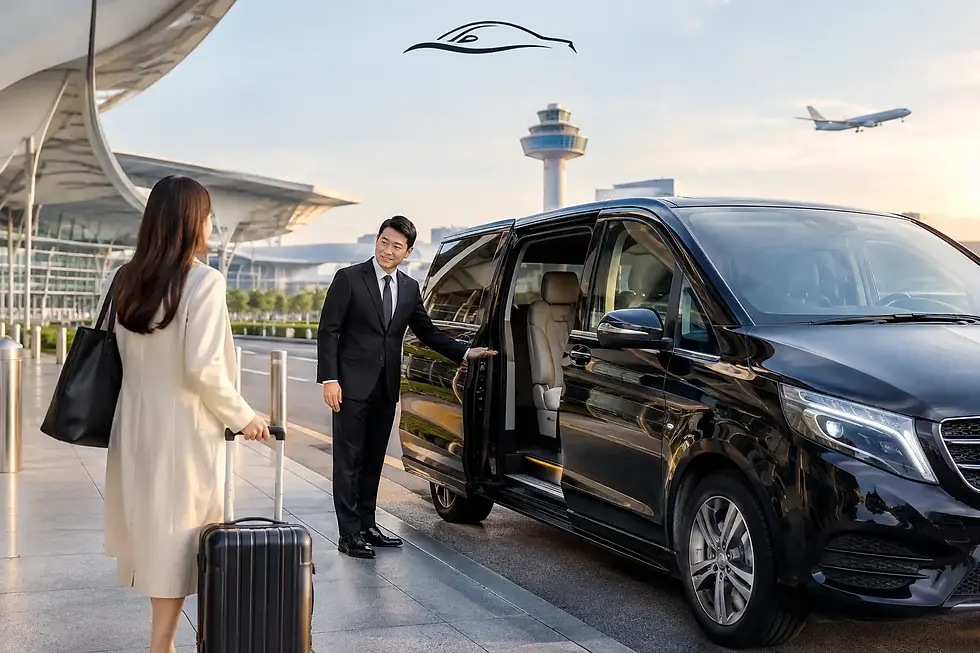
Vehicles are visible, but people remember how they were treated. A professional chauffeur does more than drive from point A to point B. They help passengers feel expected, assist with luggage where appropriate, maintain discretion, and communicate calmly when plans change.
For corporate programs, chauffeurs should understand the importance of confidentiality and a polished presentation. For weddings and family occasions, they should balance precision with warmth, helping guests feel comfortable without becoming intrusive. For airport and hotel pickups, clear identification and a courteous greeting can make a long journey feel immediately easier.
This hospitality-led approach is why event transportation should be booked as a service, not viewed as a collection of vehicles. The details matter: clean interiors, well-maintained vehicles, professional appearance, route familiarity, and a team that understands the event schedule.
Give Guests Clear, Calm Communication
Even an excellent transport operation can feel confusing if guests do not receive the right information. Send transportation details with the invitation or event confirmation, then issue a concise reminder closer to the date. Keep the language direct. Include pickup time, pickup point, expected travel time, venue name, and a contact number for urgent questions.
For complex programs, travel coordinators may also prepare separate instructions for VIPs, speakers, staff, and general attendees. Each group should receive only the information they need. This prevents confusion while protecting privacy for high-profile guests.
On the day itself, a host or transport coordinator at the main pickup point can make a noticeable difference. They can check names, direct passengers to the correct vehicle, relay updates, and prevent chauffeurs from being pulled into avoidable administrative tasks. That allows the driving team to focus on safe, punctual service.
Measure Success Beyond Arrival Time
On-time performance is essential, but it is not the only sign that event transportation worked. Consider whether guests knew where to go, whether VIPs had the privacy they required, whether boarding was orderly, and whether departures felt safe and well managed. These details influence how attendees remember the entire event.
After the event, note what worked and what created friction. Did one pickup point cause confusion? Was the final departure period too concentrated? Did luggage needs exceed expectations? These observations make future programs easier to manage and give organizers a more dependable framework for recurring events.
For weddings, conferences, client dinners, and large-scale delegate programs, transportation is an early expression of care. A thoughtfully planned shuttle service tells guests that their time matters, their comfort has been considered, and someone is looking after the details before they need to ask. With the right fleet, attentive chauffeurs, and a schedule built around real conditions, Limo2Go can help make that confidence felt from the first pickup to the final farewell.


Comments