

How to Arrange Secure VIP Transport Safely
A delayed arrival can be awkward. An unplanned stop, a driver who cannot locate the guest, or a vehicle that does not fit the party can affect an entire meeting, event, or family occasion. To arrange secure VIP transport well, treat the booking as a coordinated hospitality plan, not simply a ride from one address to another.
For executives, high-profile guests, visiting clients, and event delegates, secure transport is built on preparation. The right provider should understand the schedule, confirm the vehicle and chauffeur in advance, protect personal details, and retain enough flexibility to manage real conditions on the ground.
What secure VIP transport should deliver
Security in private ground transportation is not only about the vehicle. It is the confidence that the right person, in the right vehicle, will be ready at the right place, with the right information. Privacy, punctuality, route awareness, professional conduct, and clear communication all play a role.
A premium chauffeur service should begin with a detailed reservation process. The transport coordinator needs accurate pickup and drop-off points, flight details where relevant, passenger count, luggage requirements, timing, and any special access instructions. This avoids last-minute calls or visible confusion at a hotel lobby, airport arrival hall, corporate office, or event venue.
Discretion matters just as much. A VIP guest may be a senior executive, public-facing speaker, wedding couple, investor, or family traveling with children. Their itinerary, contact details, and movements should be handled only by people who need that information to perform the service. A professional chauffeur understands that courtesy does not mean unnecessary conversation, and assistance does not mean intrusion.
How to arrange secure VIP transport from the start
The most reliable bookings begin before a vehicle is assigned. Start by defining what “secure” means for this particular journey. For many corporate and leisure travelers, that means a vetted chauffeur, an appropriate vehicle, confirmed pickup procedures, live flight monitoring, and direct support if plans change. For a guest with an elevated risk profile, it may also require a specialized security team and separate protective planning.
Be specific about who is traveling and how the chauffeur should identify them. A discreet name board, a designated meeting point, or coordination through an executive assistant can all work. The best option depends on the location. At a busy airport, a clearly agreed arrival procedure prevents a VIP from searching through a crowd. At a private residence or office, a chauffeur may need gate access instructions and a named point of contact.
Share only the details that are necessary, but share them early. The provider should know if the passenger has limited mobility, is traveling with substantial luggage, needs child seating, or has a tight turnaround between appointments. A service team cannot plan around information it does not receive.
Choose the vehicle for the journey, not the image
A luxury sedan is often the natural choice for one or two executives traveling light. It offers a quiet, polished setting for airport transfers and business appointments. An executive MPV is better when a VIP requires more cabin space, additional luggage room, or room for a colleague. Luxury vans work well for small delegations, production teams, or families who need to remain together.
For conferences, weddings, and roadshows, a coach or coordinated fleet may be the stronger operational choice. Moving guests in several separate cars can look premium, but it creates more arrival variables. A well-managed group vehicle keeps timing controlled and helps the host account for everyone.
The trade-off is practical. A smaller vehicle can be more discreet and easier to position at crowded venues, while a larger vehicle offers space and convenience. Choose according to passenger comfort, luggage, venue access, and the number of stops, rather than selecting solely by appearance.
Confirm the chauffeur and service standards
The chauffeur is the person your guest experiences most directly. Their role extends beyond driving safely. They should arrive prepared, presentable, and familiar with the booking details. They should know the planned route, understand the pickup protocol, assist with luggage appropriately, and remain composed if traffic or venue operations change.
Ask how the chauffeur assignment is managed and whether the service includes a confirmed driver and vehicle before the journey. It is also reasonable to confirm the chauffeur’s contact process, arrival notification procedure, and waiting-time policy. These details are especially useful when an executive assistant is coordinating on behalf of a traveler in another time zone.
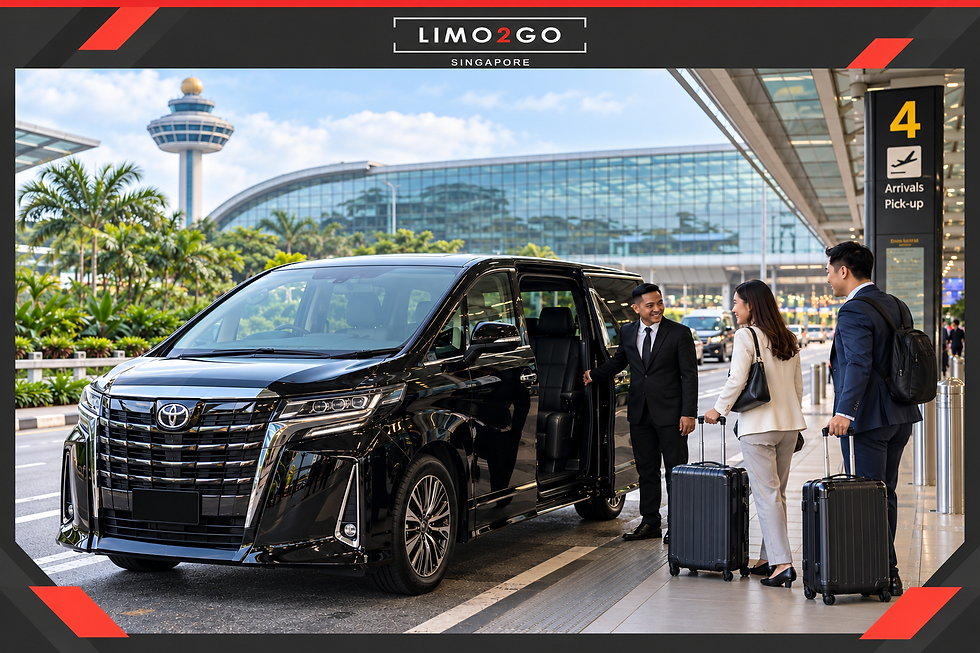
A chauffeur should never require a VIP to explain the itinerary repeatedly. The experience should feel calm and attentive from the moment the door opens. At Limo2Go, this hospitality-first mindset is reflected in the idea of chauffeurs as butlers on wheels: professional support, delivered with restraint and care.
Build an itinerary that allows for real conditions
A secure transport plan has breathing room. Tight schedules increase the chance that a minor delay becomes a missed meeting or a rushed arrival. Build in time for immigration, baggage collection, hotel check-in, security lines, traffic, elevator access, and venue registration.
For airport arrivals, provide the flight number rather than relying only on a scheduled landing time. Flights can arrive early, late, or at a different gate. Flight monitoring and a clear post-arrival meeting process help keep the pickup coordinated without requiring the passenger to manage logistics while traveling.
For multi-stop schedules, list the stops in order and include expected duration at each location. If the chauffeur will wait, make that explicit. If the passenger may finish earlier than planned, establish who can authorize changes. A single accountable coordinator prevents conflicting instructions from multiple guests, colleagues, or event staff.
Route planning should also reflect the purpose of the trip. A direct route may be best for a time-sensitive executive transfer. A more discreet arrival point may be preferable for a VIP attending a large event. For cross-border travel between Singapore and Malaysia, allow additional time for border procedures and confirm that passenger documentation and vehicle arrangements are suitable for the journey.
Protect privacy without making service difficult
Privacy works best when it is designed into the process. Use a designated booking contact rather than circulating passenger phone numbers widely. Provide an itinerary only to the operating team and essential stakeholders. Avoid publishing real-time travel details in group chats that include people without a need to know.
The same principle applies at pickup. A chauffeur can communicate arrival through the coordinator, use a pre-agreed description of the vehicle, and wait at the correct location without announcing the guest’s identity. This is often more effective than trying to create dramatic security theater around an otherwise routine transfer.
Passengers also value privacy inside the vehicle. A professional chauffeur gives guests space for calls, confidential conversations, or quiet recovery after a flight. The cabin should be clean, comfortable, and maintained to a standard that supports business travel and formal occasions.
Prepare for changes, not just the original plan
The quality of a VIP transfer is often revealed when the plan changes. A meeting runs late. A flight diverts. A venue entrance closes. A guest decides to add a stop or needs a return journey earlier than expected. No provider can eliminate every disruption, but a prepared operator can respond quickly and clearly.
Before the service begins, confirm the support contact for changes and the decision-maker who can approve additional hours, revised destinations, or vehicle upgrades. If the booking includes several passengers, establish whether the chauffeur should wait for the group, continue with a principal guest, or follow instructions from the organizer.
For high-stakes movements, consider a simple written run sheet. It does not need to be complicated. Include pickup windows, locations, passenger initials or roles, primary contacts, vehicle details, and contingency instructions. This document helps the transport team deliver consistency while keeping sensitive personal information to a minimum.
Questions worth asking before you book
Before confirming a provider, ask how chauffeur assignments are handled, what information is needed for airport and multi-stop services, and how booking changes are communicated. Clarify the vehicle category, luggage capacity, waiting arrangements, service coverage, and whether the provider can coordinate more than one vehicle when required.
It is equally useful to ask what happens if the original chauffeur or vehicle becomes unavailable. A credible service provider should have operational procedures for replacement and communication. The goal is not to expect problems, but to know that the service has a plan if one occurs.
Price should be transparent, but it should not be the only deciding factor. The lowest quote may leave little room for the planning, vehicle quality, experienced chauffeurs, and responsive coordination that VIP travel requires. The better question is whether the service can protect the guest’s time, comfort, and confidence throughout the journey.
A well-arranged VIP transfer feels almost invisible to the passenger. They arrive collected, on schedule, and ready for what comes next - which is exactly how private transport should perform.


Comments