

Chauffeur Safety Standards Guide for Every Trip
A chauffeur service is often booked for the moments when timing, privacy, and first impressions carry real weight: an airport arrival after a long-haul flight, a client meeting across town, a wedding schedule with no room for delays, or a family transfer with luggage and young travelers. In each case, a polished vehicle is only part of the promise. This chauffeur safety standards guide explains what should happen behind the scenes before a passenger steps inside.
For corporate travel managers, executive assistants, and individual travelers, safety is not one feature that can be checked off a list. It is a discipline that combines a qualified chauffeur, a properly maintained vehicle, clear communication, and calm decision-making when plans change. The best service feels effortless because those standards are already in place.
What Chauffeur Safety Standards Should Cover
Professional chauffeur safety starts well before the engine is turned on. A reliable operator should have procedures for driver suitability, vehicle readiness, route planning, passenger information, and incident response. The details may differ between an executive sedan, a luxury van, and a coach, but the underlying standard should remain consistent.
The practical question for a customer is simple: can this provider deliver a safe, composed experience without placing the burden of coordination on the passenger? A professional service anticipates needs. It confirms the right vehicle for the party and luggage, plans for pickup conditions, and keeps the traveler informed without unnecessary messages or confusion.
Safety and comfort are closely connected, but they are not identical. A spotless cabin and bottled water may signal care, yet the more meaningful indicators are driver conduct, vehicle inspection routines, and the ability to manage a disruption responsibly. Premium service is built on both.
The Chauffeur: Professionalism Is a Safety Measure
A chauffeur is responsible for far more than navigation. They set the tone for the journey, protect the passenger's privacy, manage luggage safely, and make sound decisions in traffic and at pickup points. That responsibility calls for more than a valid license.
A well-run chauffeur operation screens drivers carefully and expects consistent professional behavior. The chauffeur should be familiar with defensive driving practices, local road rules, safe following distances, passenger drop-off procedures, and the specific demands of the assigned vehicle. A chauffeur driving an executive MPV or a coach must understand the different blind spots, turning requirements, and braking distances involved.
Equally important is composure. Sudden rain, road closures, airport congestion, or a delayed event can test any transport plan. A chauffeur should not rush, argue, or transfer stress to the passenger. They should adjust the route where appropriate, communicate only what the traveler needs to know, and keep safety ahead of speed.
For VIPs and corporate guests, discretion is also part of safe conduct. Conversations, destinations, schedules, and personal details should be treated with care. A professional chauffeur does not discuss a passenger's itinerary, take unnecessary calls, or create an overly familiar atmosphere. Attentive hospitality respects boundaries.
Alert Driving and Fatigue Management
Even an experienced chauffeur cannot perform at a high standard without proper rest and sensible scheduling. Operators should manage assignments so drivers have adequate breaks and are not pressured to complete unrealistic back-to-back trips. This matters especially for early airport pickups, late-night events, and long cross-border journeys.
Passengers may never see this planning, but it affects every mile. An alert chauffeur notices developing traffic hazards earlier, drives more smoothly, and makes better decisions under pressure. If an itinerary becomes unusually long or complex, a responsible provider may recommend a revised schedule, an additional chauffeur, or a suitable rest arrangement rather than treating fatigue as an inconvenience.
Vehicle Readiness Goes Beyond Appearance
A premium vehicle should arrive clean, comfortable, and appropriate for the occasion. It should also be mechanically sound and inspected before service. Routine maintenance protects passengers from avoidable breakdowns, while pre-trip checks help identify issues that need attention before the vehicle reaches the pickup point.
A thorough readiness process typically includes tires, brakes, lights, fluid levels, air conditioning, seat belts, doors, mirrors, and windshield visibility. The chauffeur should also confirm that the cabin is orderly, luggage space is sufficient, and any requested child seating or accessibility arrangements are ready before arrival.
Vehicle choice is a safety decision as much as a comfort decision. A sedan may be ideal for one or two executives with light luggage. An executive MPV provides more room for families or small delegations. A luxury van or coach may be the safer, more practical choice for groups, particularly when guests are carrying conference materials, wedding items, or airport bags. Overloading a vehicle or forcing passengers into an unsuitable layout compromises comfort and can create unnecessary risk.
Seat Belts and Passenger Readiness
Seat belts should be available and functional for every passenger, regardless of whether the journey is five minutes or fifty. A courteous reminder is appropriate when needed, particularly for children or guests unfamiliar with the vehicle.
For families, child passenger requirements should be discussed during booking, not at the curb. The right seating arrangement depends on a child's age, height, and weight, as well as applicable local requirements. Advance coordination gives the provider time to prepare properly and gives parents confidence that the transfer will begin without avoidable delays.
Planning the Journey Protects the Schedule
A safe trip is rarely improvised. Before a chauffeur departs, the service team should have accurate pickup and drop-off details, contact information, passenger count, luggage expectations, flight details where relevant, and special timing instructions. For a multi-stop business itinerary, it should also be clear whether the chauffeur will wait on site, reposition nearby, or return at a specified time.
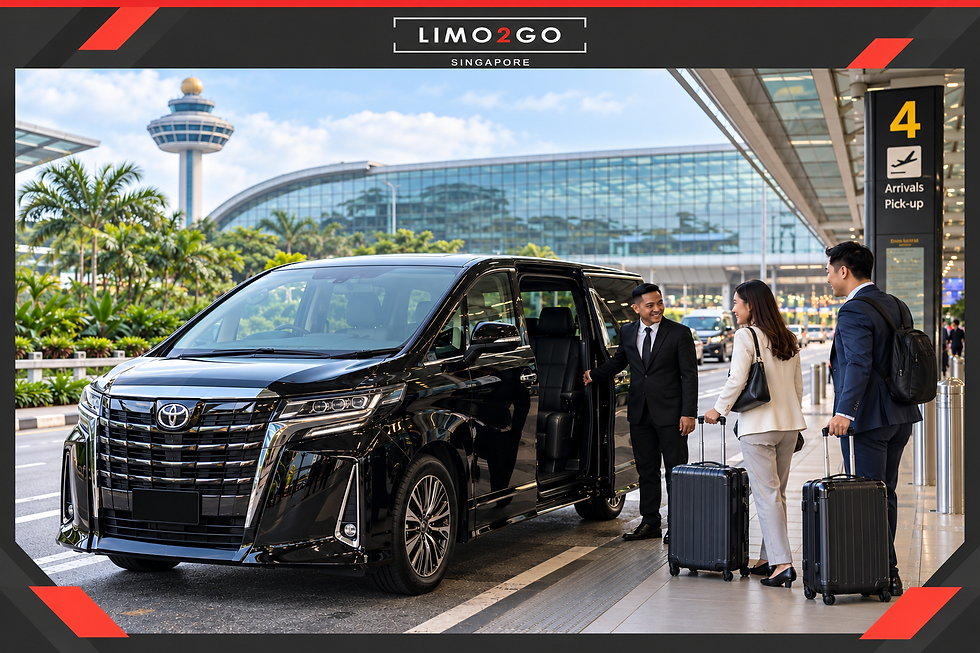
Airport transfers require particular attention. Flight schedules can change, immigration lines vary, and arrival halls become crowded. A well-managed service monitors the information available to it and provides a clear meeting process, reducing the chance that a tired traveler is left searching for a car or walking to an unclear pickup location.
For events, planning must account for access restrictions and staging areas. Hotels, convention venues, private residences, and wedding locations often have different rules for vehicle entry and waiting. The right plan prevents rushed drop-offs, unsafe roadside loading, and confusion among guests.
Traffic conditions also require judgment. The fastest route is not always the best route if it involves complicated pickup maneuvers, areas prone to sudden congestion, or a higher chance of last-minute disruption. A chauffeur should balance efficiency with a calm, predictable ride.
Privacy, Communication, and Security
Safety includes the protection of personal information. Travelers share names, mobile numbers, flight numbers, hotel locations, business venues, and sometimes sensitive schedules when arranging private transportation. That information should be handled only for service delivery and shared only with the people who need it to coordinate the journey.
Communication should be precise and respectful. Before the trip, passengers need confirmation of the essential details: pickup time, location, vehicle type, and how to identify their chauffeur. During the trip, communication should remain discreet. There is no need to announce a passenger's name loudly in a public area or expose itinerary details where others can hear them.
For corporate bookers, consistency matters. A provider that maintains clear records and confirms changes through an organized process helps reduce misunderstandings when several assistants, travelers, or event contacts are involved. This is particularly valuable for delegations and multi-vehicle movements.
When Conditions Change, Standards Matter Most
The true test of a chauffeur service is not an easy transfer on a clear day. It is how the team responds when a flight is delayed, a meeting runs over, a vehicle access point closes, or weather affects road conditions.
A professional response begins with communication and options. The passenger or booker should receive a practical update, not an excuse. Depending on the circumstances, the safest choice may be to adjust the pickup time, use a different access point, change vehicle placement, or allow extra travel time. No reputable service should encourage a chauffeur to speed or take unnecessary risks to recover lost minutes.
Cross-border travel adds another layer of planning. Documentation, border traffic, rest considerations, and customs procedures can affect timing. Travelers should provide accurate information in advance and allow a sensible buffer. Reliable service means being honest about what can be controlled and prepared for what cannot.
Questions Worth Asking Before You Book
When arranging private transportation, ask how the provider manages driver qualifications, vehicle maintenance, passenger capacity, child seating, flight changes, and after-hours disruptions. The answers should be clear and specific, not vague promises of luxury.
It is also reasonable to ask whether the service can support your itinerary rather than simply quote a vehicle. A meeting-heavy day, a wedding convoy, and an airport transfer for a family each require different planning. At Limo2Go, that planning is part of the hospitality: matching the right vehicle and chauffeur support to the actual journey, not just the address on the booking form.
The safest chauffeur experience is one you barely have to think about. Your vehicle arrives prepared, your chauffeur is attentive without being intrusive, and every detail supports a calm journey. That is the standard worth expecting whenever your time, guests, or peace of mind are on the line.


Comments